Ganin and Alfyorov, fellow Russian émigrés, are stuck in an elevator together in the novel’s opening scene. We will shortly discover that this pair thrown together by fate in the boarding house they inhabit in Berlin are further connected by the person of Alfyorov’s wife, Mary, who is soon to join him, and who turns out to be Ganin’s first love. As in many of Nabokov’s novels, nostalgia for the homeland and the plight of the exile are visible threads in the weave. The Nabokovs moved to Berlin in 1920 following their flight from Crimea in 1919 with the advance of Bolshevik troops into the region; like many a first novel, Mary has tangible autobiographical elements, and autobiographical impulses will be evident throughout N’s canon. Alfyorov relates that the house poet, Podtyagin (the same name as a character in Chekov’s story, “Oh, the Republic!”), “was arguing with me about the sense of this émigré life of ours, this perpetual waiting.” Combined with the notion of “return” often linked to the status of the exile, “perpetual waiting” can be taken to indicate waiting for the impossible return to the point of origin. Another way to put it–the paradox of waiting for the past to happen again, which afflicts many of N’s characters.
False Azure: A reading blog of Nabokov's novels
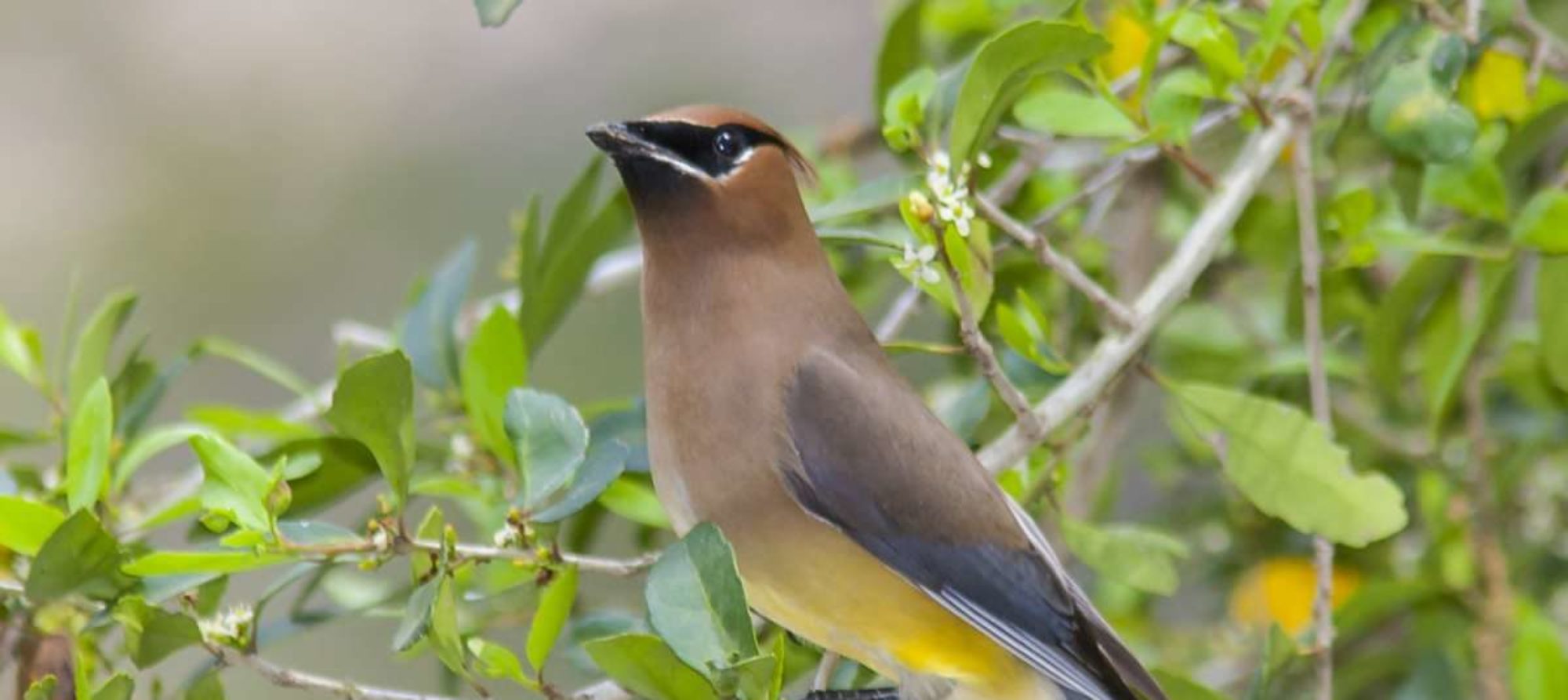
"I was the shadow of the waxwing slain / By the false azure of the window pane"